

Selling a house can be a stressful process, especially if you are not familiar with the legal requirements that come with it or haven’t bought or sold a home in many years. One of the most important requirements is providing disclosures to potential buyers. Disclosures are documents that disclose any known defects or issues with the property that the seller is aware of. Providing these disclosures is not only mandatory but can also protect you from potential legal issues down the line. In this blog post, we’ll discuss what you need to know about providing disclosures when selling your house and downsizing in Kansas City.
What Are Disclosures?
Disclosures are documents that provide information about the condition of the property being sold. They are required by law in most states, including greater Kansas City, Lawrence & Topeka and are meant to protect buyers from any hidden or unknown defects with the property. Disclosures are typically provided by the seller and include information about any known issues with the property, such as water damage, structural problems, or pest infestations. Your Seniors Real Estate Specialist® will provide you with the disclosure forms needed based on the specific type of property you own. A Seller’s Disclosure is the most common general document that may also be complemented by a Land or Rural Property Disclosure, a Septic Addendum, if applicable, a Multi-Family Rider, and/or a Lead Based Paint Disclosure if your property was built before 1978.
Why Are Disclosures Important?

Disclosures are important because they provide buyers with information about any known issues with the property before they make an offer. Something that may be a concern to one buyer, another buyer may not care about at all! As the seller you have information about the property that is important to future buyers. This information can help buyers make an informed decision about whether to proceed with the purchase or not. Failure to provide disclosures can result in legal action against the seller if the buyer discovers any issues with the property after the sale has been completed. In addition to a legal standard, it is always much better to disclose what you know, as required, rather than a buyer learning after the fact in their home inspection etc, that now jeopardizes your home falling out of contract.
What Information Needs to Be Disclosed?
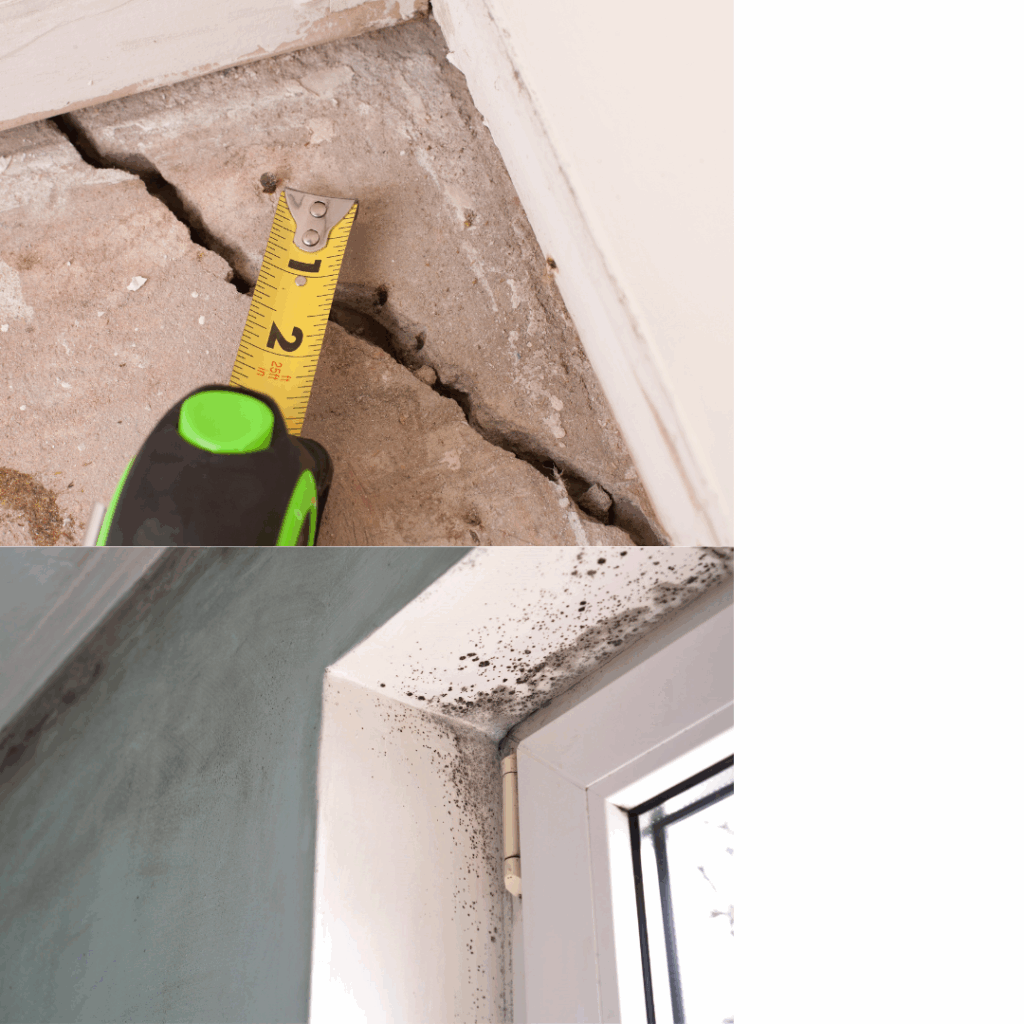
In Kansas City, Lawrence, & Topeka sellers are required to provide disclosures about any known issues with the property. This includes issues such as:
1. Water damage or leaks
2. Structural problems
3. Pest infestations
4. Mold or mildew
5. Lead-based paint
6. Asbestos
7. Faulty electrical or plumbing systems
8. Roof damage or leaks
9. Foundation issues
10. Environmental hazards
11. Prior insurance claims on the property for damage (ex: storm)
It is important to note that sellers are only required to disclose issues that they are aware of. If you are unsure about a particular issue, it is best to disclose it to the buyer to avoid any potential legal issues down the line. Something most important to prospective buyers is if there was an issue, what was done to correct it, if anything & by whom? Was an insurance claim filed, etc?
When Should Disclosures Be Provided?

Disclosures should be provided as early as possible in the selling process. Ask your Seniors Real Estate Specialist® about which documents will be applicable to your property and when you should fill them out. It is a good practice to provide disclosures as soon as possible to avoid any delays in the selling process once your home goes on the market.
How Should Disclosures Be Provided?
Disclosures can be provided in a variety of ways, including:
1. Written disclosures: This is the most common method of providing disclosures. Sellers are required to provide a written disclosure statement that outlines any known issues with the property. In today’s world this also means digitally and if you’re tech savvy, the disclosures can be completed on your computer if you choose.
2. Verbal disclosures: Verbal disclosures can be made in addition to written disclosures, but they should never replace written disclosures.
3. Inspection reports: If the seller has had a recent inspection done on the property, they can provide the inspection report to the buyer as part of their disclosures.
It is important to note that disclosures should be provided in a clear and concise manner. Disclosures that are difficult to understand or incomplete can lead to legal issues down the line.
What Happens if You Fail to Provide Disclosures?

Failure to provide disclosures can result in legal action against the seller. If a buyer discovers any issues with the property after the sale has been completed, they may be able to sue the seller for damages. This can include the cost of repairs or even the full purchase price of the property. We expect in most cases that buyers are going to have a home inspection done as part of their offer by a licensed professional. It’s very easy to see when sellers have attempted to cover up items they don’t want buyers to see.
In addition to legal action, failure to provide disclosures can also result in negative reviews and damage to your reputation as a seller. It is always best to provide full and complete disclosures to buyers to avoid any potential issues down the line.
Providing disclosures is an important part of the selling process in Kansas City, Lawrence, & Topeka. Disclosures help protect buyers from hidden or unknown defects with the property and can also protect sellers from potential legal issues down the line. If you are downsizing and selling a home in Kansas City it is important to understand the disclosure requirements and to provide full and complete disclosures to potential buyers. This will ensure a more smooth and stress-free selling process and can help you avoid any potential legal issues down the line. Do you have questions about providing disclosures when selling a house in Greater Kansas City? Reach out to our Seniors Real Estate Specialist® and award-winning team at BD Real Estate Solutions to get the answers you need. 913-232-3383
